New connections among knowledge, practice, and place.
Not the removal of difference, but the formation of questions and methods that no single field could produce alone.

A framework for research that connects design with science, technology, culture, education, society, and ecological transition.
Many contemporary questions emerge between fields. The annual theme asks how design can create conditions in which different forms of knowledge work together without losing their specificity.
Projects should be interdisciplinary because the research question requires it, not because breadth is valuable on its own. The Program looks for a clear question, an accountable method, and a contribution that can be examined and carried forward.
Not the removal of difference, but the formation of questions and methods that no single field could produce alone.
Including the relationships among people, communities, technologies, and changing forms of agency.
Asking what should be created, for whom, under what conditions, and with what consequences.
These areas are connected rather than exclusive. Applicants may work across more than one where the research question requires it.
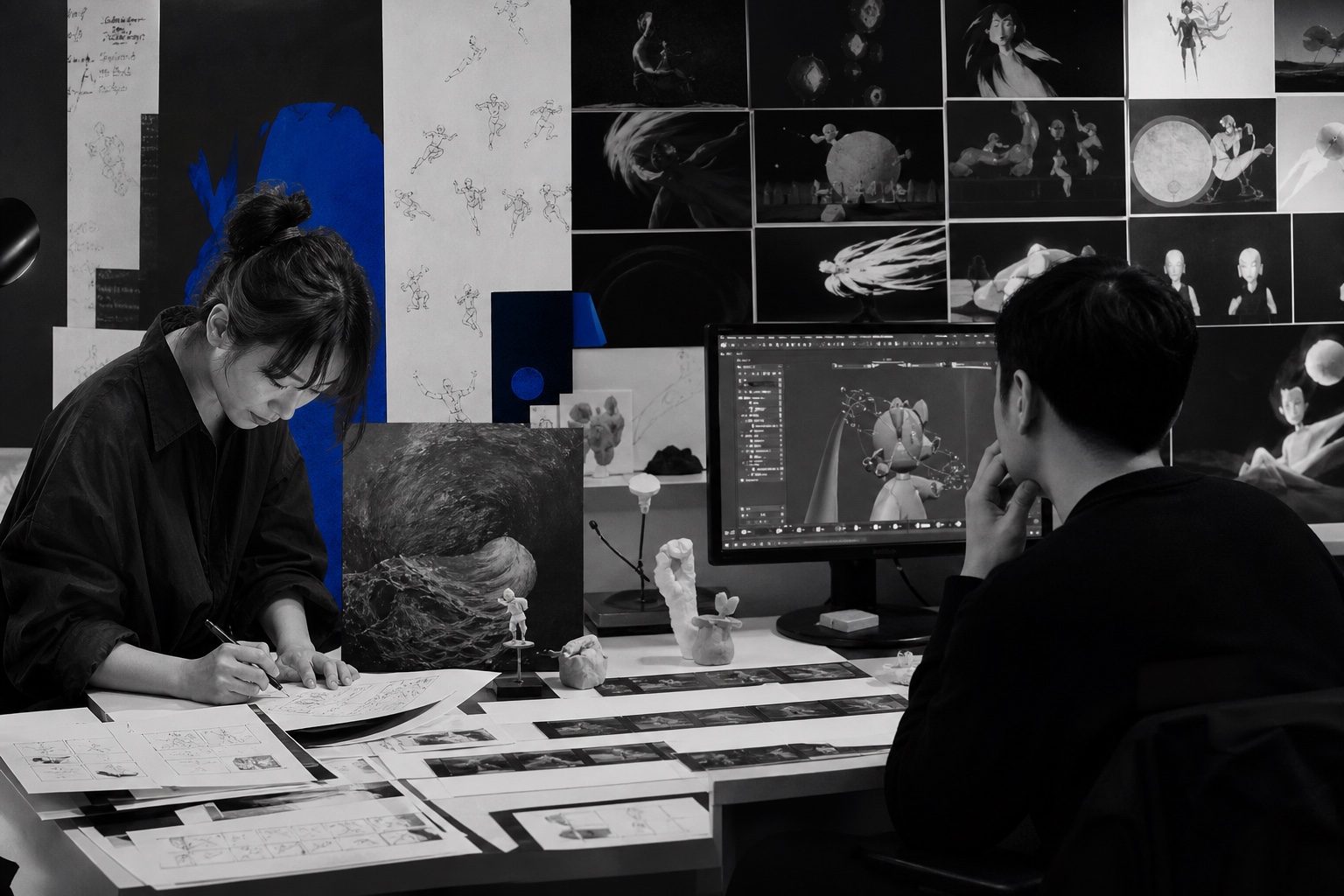
This area examines artificial intelligence as more than a production tool. It welcomes research into how designers and intelligent systems frame problems, generate alternatives, make judgments, and share agency. Projects may develop new methods, prototypes, or critical accounts of computational creativity while remaining attentive to authorship, data, cultural context, and responsible use.
Possible forms: Methods, prototypes, critical studies, tools, or publicly accessible demonstrations.
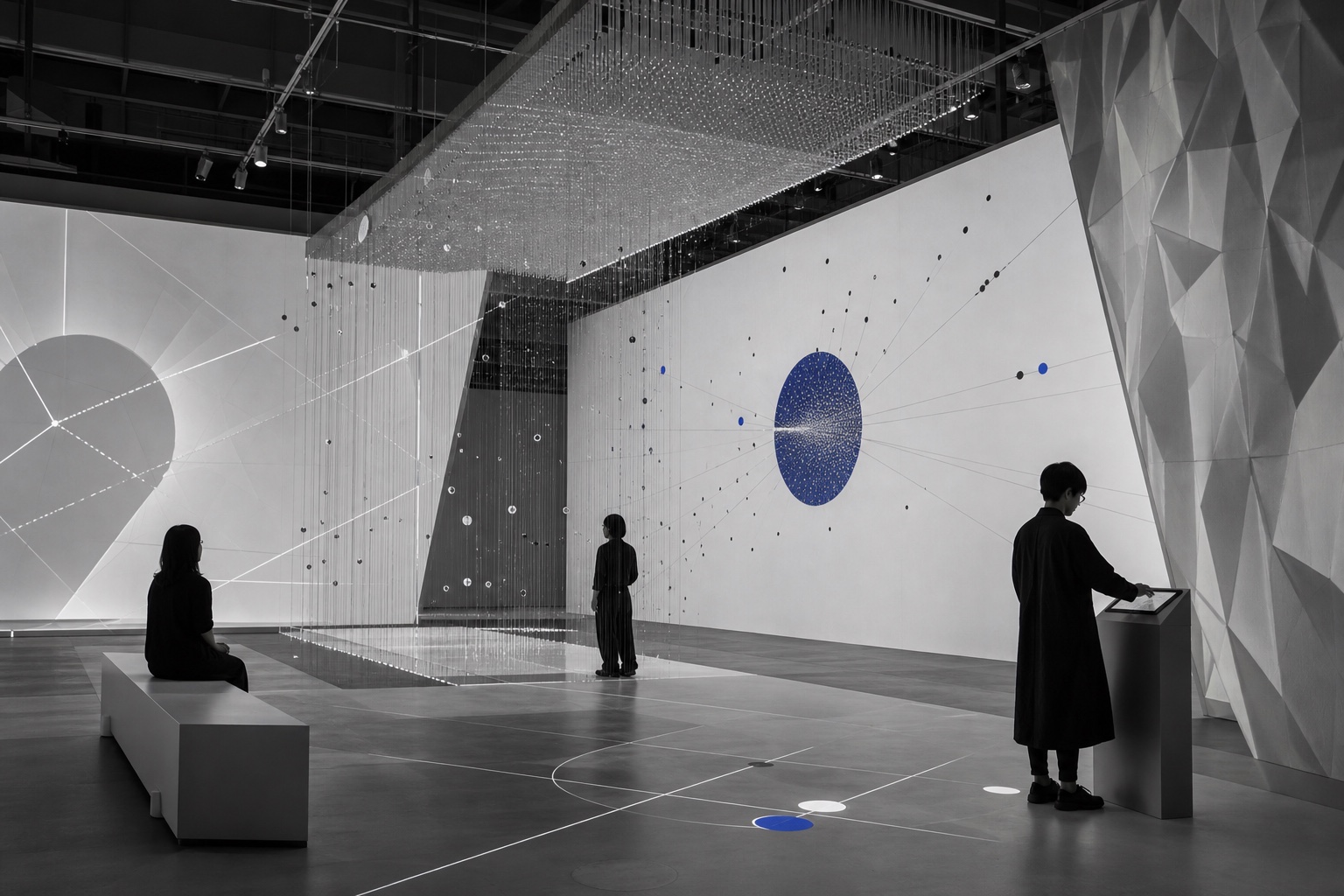
This area supports inquiry into the changing relationships among people, media, objects, and environments. It includes experimental interfaces, spatial and embodied computing, tangible media, immersive systems, and critical studies of digital experience. Strong proposals connect technical exploration to a clear human, cultural, or public question.
Possible forms: Interactive prototypes, installations, films, experience studies, or design frameworks.
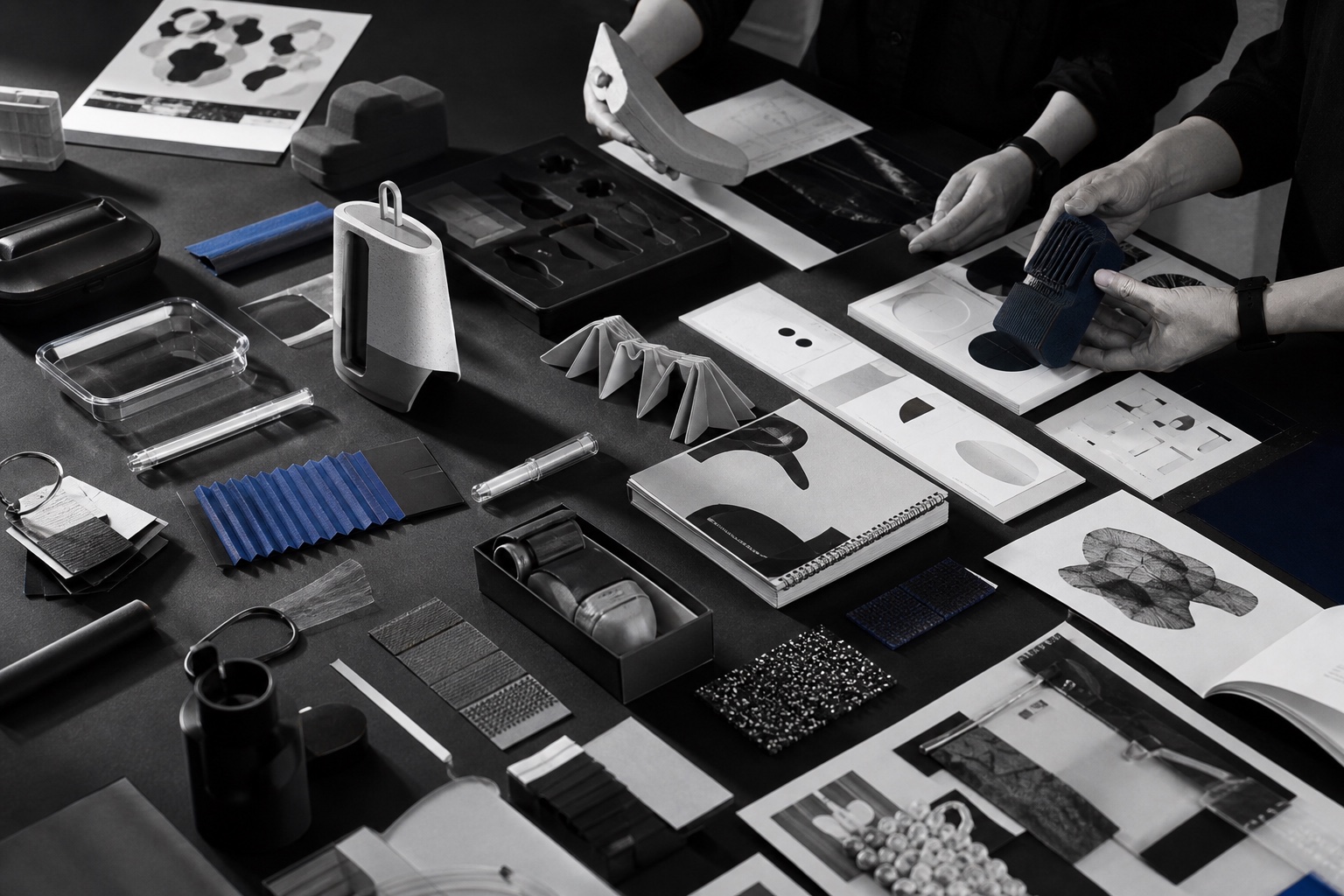
This area welcomes historical, theoretical, critical, and practice-based work that expands the intellectual foundations of design. Research may examine emerging methods, future literacy, design ethics, experimental education, institutional change, or new forms of publication and knowledge-making. Projects should contribute a clear argument or method that others can examine and build upon.
Possible forms: Publications, curricula, archives, research methods, educational models, or critical media.
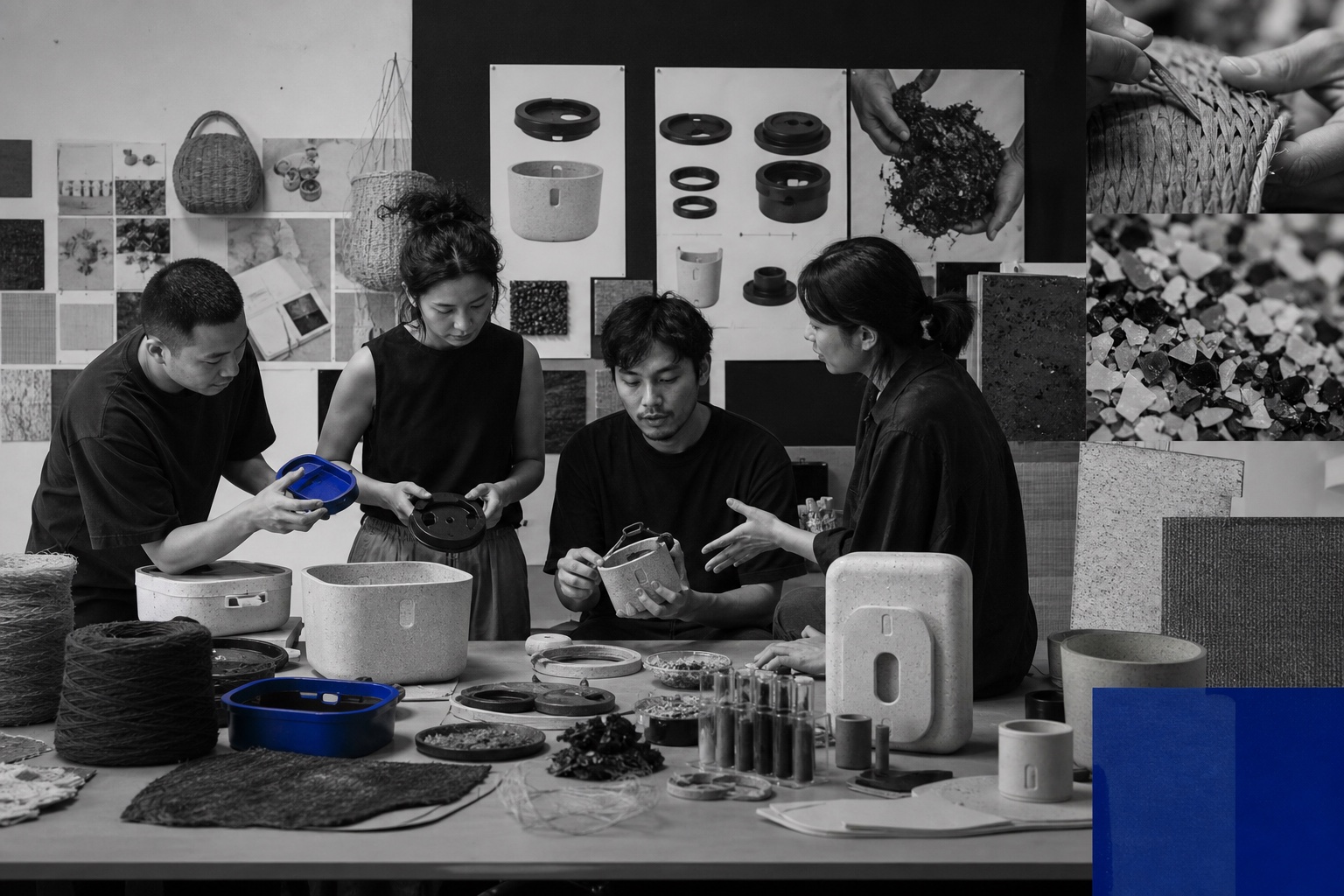
This area considers how materials, manufacturing, infrastructure, and everyday practices might change in response to ecological limits. It welcomes work on circular and regenerative systems, low-impact materials, bio-design, repair, craft knowledge, and climate-responsive production. Proposals should make the environmental and social consequences of their choices visible.
Possible forms: Material studies, prototypes, production frameworks, field research, or transition scenarios.
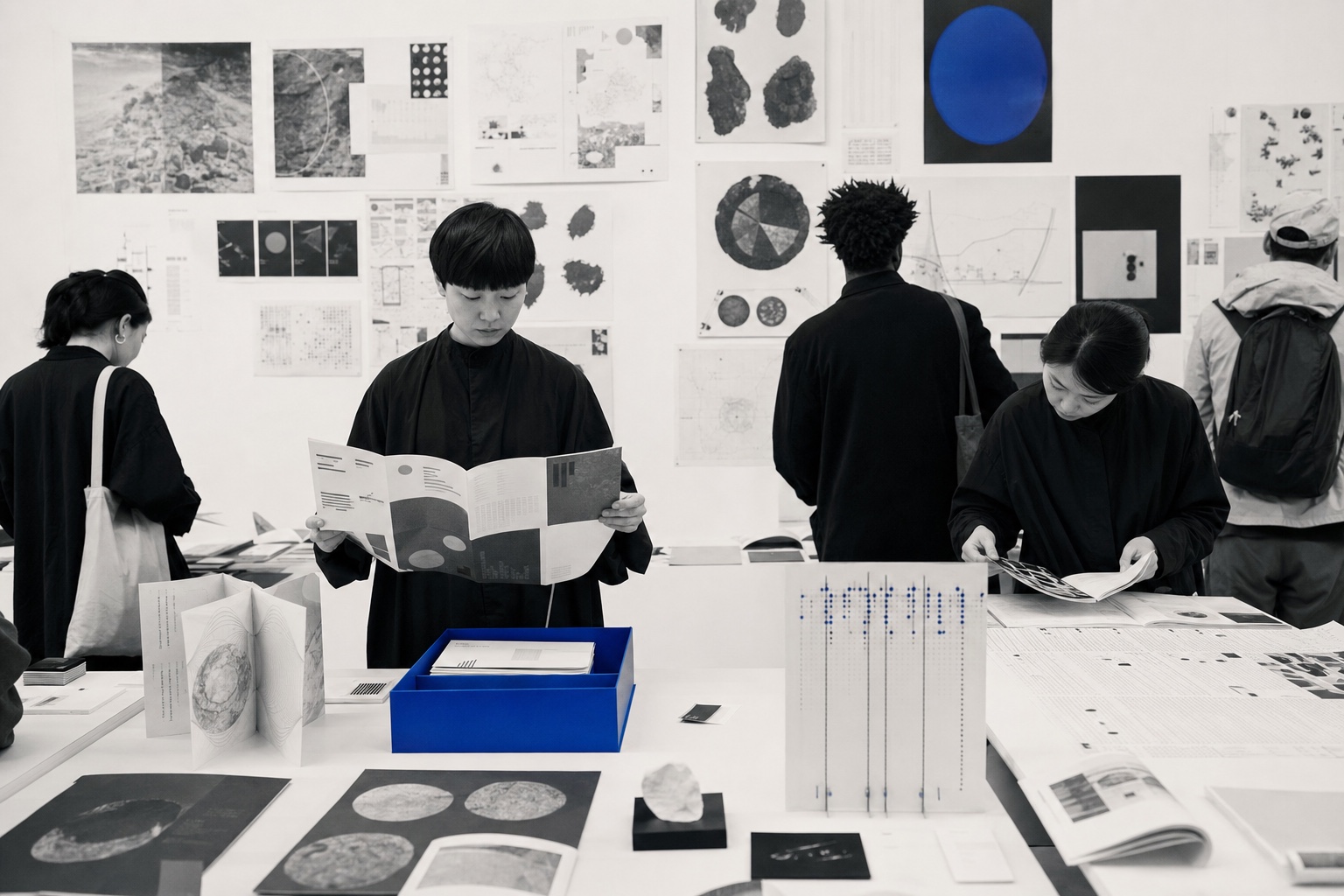
This area supports research developed with communities, public institutions, and civic contexts. It includes service and policy design, accessibility, public health, participatory methods, institutional transformation, and design for social infrastructure. Projects should articulate who participates, whose knowledge matters, and how the work may create durable public value.
Possible forms: Service prototypes, policy tools, participatory methods, public programs, or community resources.
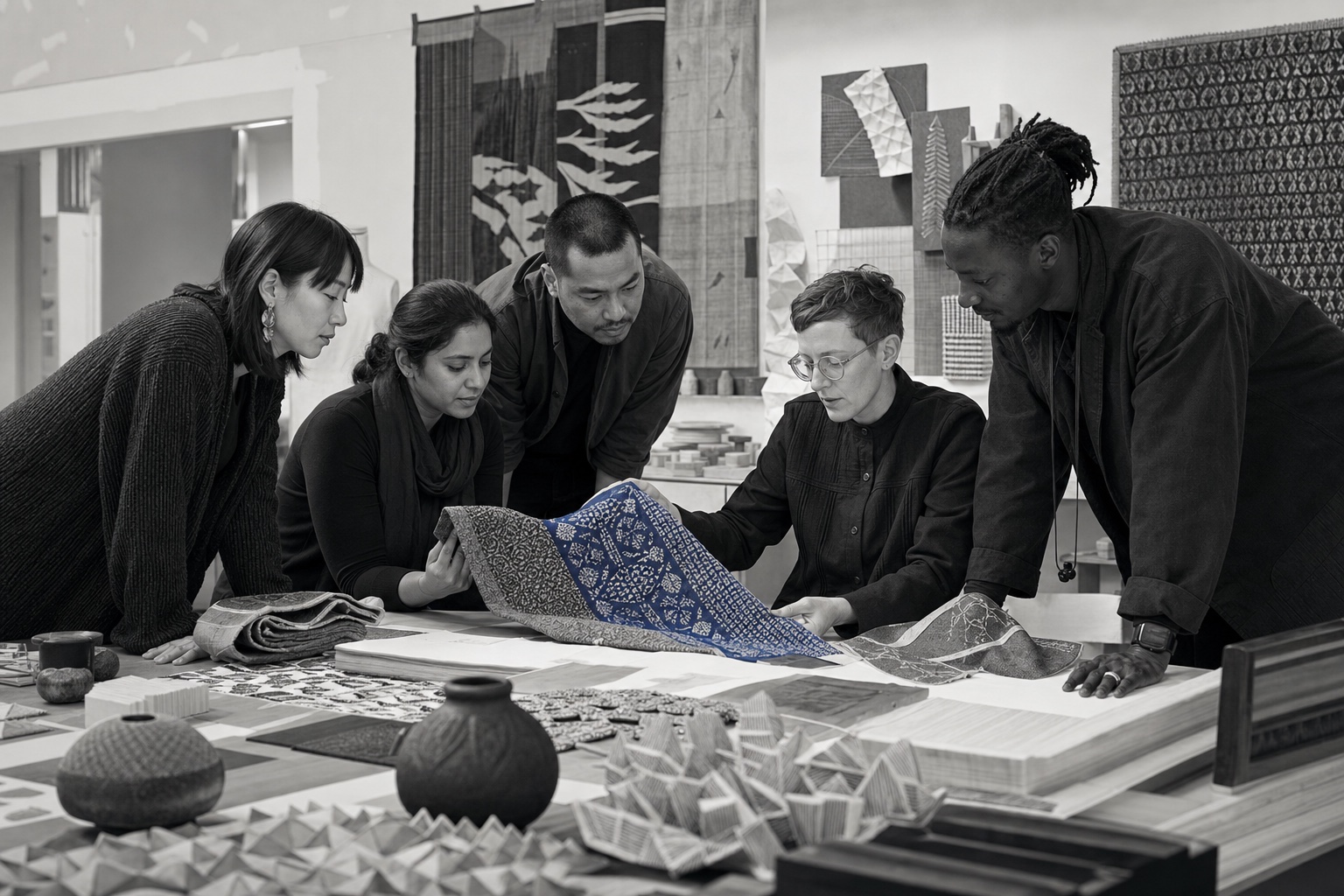
This area welcomes research grounded in cultural heritage, traditional knowledge, local experience, creative industries, and cross-regional exchange. It asks how design can support translation and renewal while respecting historical context, community authorship, and cultural plurality. Projects may combine archival, field-based, technological, and creative approaches.
Possible forms: Archives, exhibitions, films, publications, cultural tools, or collaborative creative works.
The Program encourages researchers to consider how knowledge will travel. Appropriate forms may include publications, prototypes, exhibitions, archives, films, educational models, research tools, data or material resources, and public projects.
Translation is not a requirement to simplify the work. It is a commitment to make the question, method, and contribution available to relevant scholarly, professional, cultural, or public communities.
Clear enough to investigate and important enough to justify sustained work.
A reason design is necessary to the inquiry, method, or form of knowledge produced.
Disciplines and collaborators brought together because the question demands it.
A feasible plan, appropriate research environment, and meaningful form of contribution.